
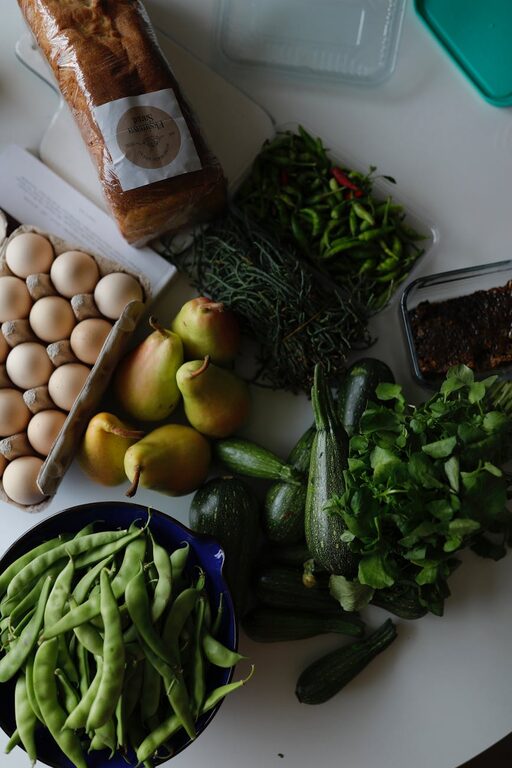
Planning meals from pantry staples is a smart way to simplify your cooking routine, save money, and reduce food waste. Your pantry is likely filled with versatile ingredients that can be combined in countless ways to create satisfying, nutritious meals. In this post, we’ll explore how to effectively use what you have on hand to plan meals that are both easy and delicious.
Why Use Pantry Staples for Meal Planning?
Pantry staples such as rice, pasta, canned beans, and spices are the foundation of many meals. They have a long shelf life, require little prep, and can adapt to different cuisines and dishes. Planning meals around these ingredients helps you:
– Cut down grocery trips
– Save money by avoiding extras
– Prevent last-minute meal stress
– Reduce food waste by using what you already have
Step 1: Take Inventory of Your Pantry
Before planning, it’s important to know what you have. Here’s how to take a quick inventory:
- **Clear a space** to lay out your pantry items.
- **Sort into categories**: grains, canned goods, baking supplies, spices, snacks, etc.
- **Note quantities and expiration dates** to prioritize what to use soon.
- **Identify your most versatile staples** such as canned tomatoes, dried pasta, or rice.
Keeping an updated list on your phone or a notepad can be helpful for meal planning and grocery shopping.
Step 2: Identify Complementary Fresh Ingredients
While pantry staples form the base, fresh ingredients add flavor, texture, and nutrients. Think about what you usually keep on hand or can easily buy:
– Fresh or frozen vegetables (onions, carrots, spinach)
– Eggs or dairy products
– Fresh herbs or garlic
– Protein options like canned tuna, frozen chicken, or tofu
Planning meals that combine pantry staples with these fresh items ensures balanced, wholesome meals.
Step 3: Choose Meal Types That Fit Your Pantry Staples
Certain meal formats lend themselves well to pantry-based cooking. Some popular options include:
1. Soups and Stews
Canned beans, lentils, broth, and canned tomatoes make perfect bases for hearty soups. Add fresh vegetables and spices for flavor.
2. Pasta Dishes
Dried pasta combined with canned tomatoes, olives, garlic, and herbs create quick, delicious dinners.
3. Grain Bowls
Cook rice, quinoa, or couscous and top with canned beans, roasted vegetables, and a simple dressing.
4. Stir-Fries
Use rice or noodles with frozen vegetables, canned water chestnuts, and soy sauce for an easy stir-fry.
5. Casseroles or Bakes
Combine pasta or rice with canned soup, cheese, and frozen vegetables for comforting casseroles.
Step 4: Create a Weekly Meal Plan Based on Pantry Staples
Start by selecting meals that use overlapping ingredients to minimize waste. Here’s an example plan:
– Monday: Lentil soup with canned lentils, carrots, onions, and broth
– Tuesday: Pasta with canned tomato sauce, garlic, and frozen spinach
– Wednesday: Rice bowl with canned black beans, corn, and avocado
– Thursday: Stir-fried noodles with frozen mixed vegetables and soy sauce
– Friday: Tuna casserole with canned tuna, pasta, canned mushrooms, and cheese
This approach saves time by re-using ingredients in different ways.
Step 5: Use Your Spices and Condiments Wisely
Spices and condiments elevate pantry meals. Keep a good selection of basics like salt, pepper, cumin, paprika, and dried herbs. Use:
– Hot sauce or chili flakes for heat
– Soy sauce, vinegar, or lemon juice for acidity
– Mustard or honey for flavor depth
Experimenting with flavors can keep meals exciting even when you’re using simple staples.
Step 6: Keep a Backup Plan for Missing Ingredients
Sometimes you may find you’re missing something. Here are alternatives:
– Substitute one grain for another (quinoa instead of rice)
– Use canned beans if fresh ones aren’t available
– Swap fresh herbs for dried, adjusting amounts accordingly
This keeps your meal plans flexible, reducing the need for last-minute store runs.
Meal Planning Tips for Success
– Batch cook: Prepare larger portions of soups, grains, or casseroles to enjoy leftovers.
– Freeze extras: Portion and freeze meals or ingredients to extend their usability.
– Label and organize: Keep your pantry neat and label items with purchase dates.
– Rotate supplies: Use older items first to minimize waste.
Sample Pantry Staple List for Meal Planning
Stock your pantry with these essentials to make planning easier:
– Grains: rice, pasta, oats, quinoa
– Canned goods: tomatoes, beans, tuna, broth
– Baking essentials: flour, sugar, baking powder
– Cooking oils: olive oil, vegetable oil
– Spices and herbs: salt, pepper, garlic powder, cumin
– Condiments: soy sauce, vinegar, mustard
Conclusion
Planning meals from pantry staples is not only practical but also creative. By knowing what you have, pairing staples with fresh ingredients, and choosing versatile meal types, you can enjoy convenient, flavorful meals any day of the week. With a little organization and some meal planning magic, your pantry can truly become the heart of your kitchen.
Try it out this week, and see how many delicious meals you can create with what’s already on your shelves!